
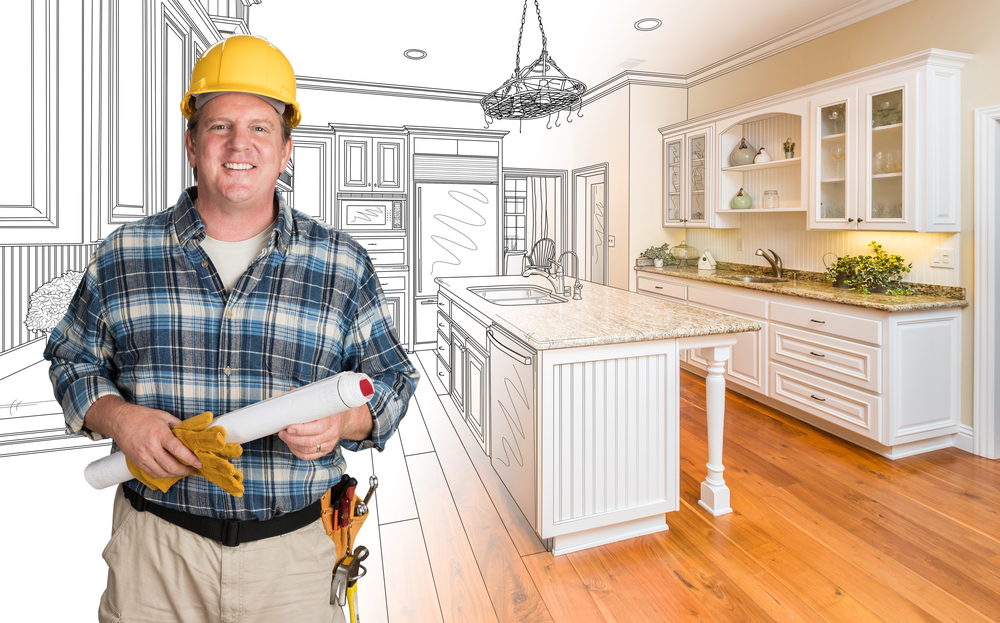
Design-Build vs Hire Separate: Which Remodeling Approach Reduces Risk for Homeowners
One of the most underestimated remodeling decisions homeowners make is not about materials or layout. It is about how the project will be managed.
Should you work with a single design-build firm, or hire a designer and contractor separately?
Both approaches can work. The difference lies in how much coordination risk you are willing to absorb and how comfortable you are managing decisions, timelines, and accountability when things change.
This comparison is meant to clarify those tradeoffs before you commit to a process that adds stress instead of reducing it.
What “design-build” actually means in a remodel
In a design-build model, design and construction operate under one roof. The same team that helps plan the remodel is also responsible for executing it.
For kitchen and bathroom projects, this typically means:
- Design decisions are made with construction realities in mind
- Budget and scope are evaluated together, not in isolation
- One party is responsible for outcomes from planning through completion
For homeowners planning a kitchen remodel, this approach often simplifies early decision-making because design options are filtered through real-world feasibility from the start. The same applies to bathroom remodels, where plumbing, layout, and finish coordination are tightly linked.
What happens when design and construction are hired separately
Hiring a designer and contractor separately introduces more flexibility on paper, but it also introduces more coordination responsibility for the homeowner.
In this model:
- The designer creates plans independently
- The contractor prices and builds from those plans
- Responsibility is divided when changes or conflicts arise
This can work well when plans are fully developed, scope is stable, and the homeowner is comfortable managing communication between parties. However, when conditions change or assumptions are challenged during construction, accountability can become blurred.
Scheduling adjustments, budget revisions, and scope clarifications often require alignment between multiple parties, which can slow progress if roles are not clearly defined.
Single-point accountability and why it matters
Single-point accountability is not about convenience. It is about risk containment.
When one team is responsible for both design and construction, there is no ambiguity about who owns:
- Scope alignment
- Budget adherence
- Schedule coordination
If an issue arises, it is addressed internally rather than passed between parties. This tends to reduce delays and decision fatigue for homeowners, especially during kitchens and bathrooms where trades overlap and sequencing matters.
This is one reason many homeowners prefer a design-build approach for kitchen remodels in Spring Hill, Brooksville, and Hudson, where project efficiency and predictability are priorities.
Scheduling conflicts and how they impact remodel timelines
Scheduling issues are rarely caused by a single delay. They usually result from small coordination gaps that compound over time.
When design and construction are separate, adjustments often require re-approvals, redraws, or re-pricing before work can continue. This can pause progress while responsibilities are sorted out.
With a unified approach, scheduling decisions tend to be made faster because design intent and construction logistics are already aligned. This does not eliminate delays entirely, but it reduces the number of handoffs where timelines can stall.
If you want to see how sequencing is handled across completed projects, reviewing real-world examples on the Our Work page provides insight into how coordination affects outcomes.
Cost creep: where it comes from and how it’s controlled
Cost creep is rarely the result of one large mistake. It usually stems from incremental changes that were not fully evaluated early.
In a hire-separate model, design decisions may be finalized before construction costs are fully understood. When pricing comes back higher than expected, scope changes can introduce redesign fees, delays, or compromises that were not planned for.
In a design-build model, cost implications are typically discussed during design development, which allows adjustments before plans are locked in. This does not mean costs cannot change, but it reduces surprises that emerge after work has started.
For homeowners trying to keep kitchen or bathroom remodel budgets predictable, early cost alignment is often more valuable than design flexibility alone.
Which approach works best for most local remodels?
There is no universal answer, but patterns are clear.
Design-build tends to work best when:
- The project scope is complex
- Budget predictability matters
- The homeowner prefers a guided process
- Kitchens or bathrooms are the primary focus
Hiring separately can work when:
- Plans are already finalized
- Scope is unlikely to change
- The homeowner wants direct control over each phase
Understanding your tolerance for coordination, decision-making, and risk is more important than choosing a model based on perception alone.
If your remodel centers on a kitchen or bathroom and you want fewer handoffs, starting with the relevant service pages helps frame which approach aligns best with your goals. Reviewing kitchen remodel services or bathroom remodel services provides context on how projects are structured from planning through completion.
Design-build and hire-separate models both have merit, but they distribute responsibility differently. Design-build centralizes accountability and reduces coordination risk, while hiring separately offers flexibility at the cost of increased homeowner involvement. The right choice depends on project complexity, budget sensitivity, and how much management responsibility you want to carry.

