
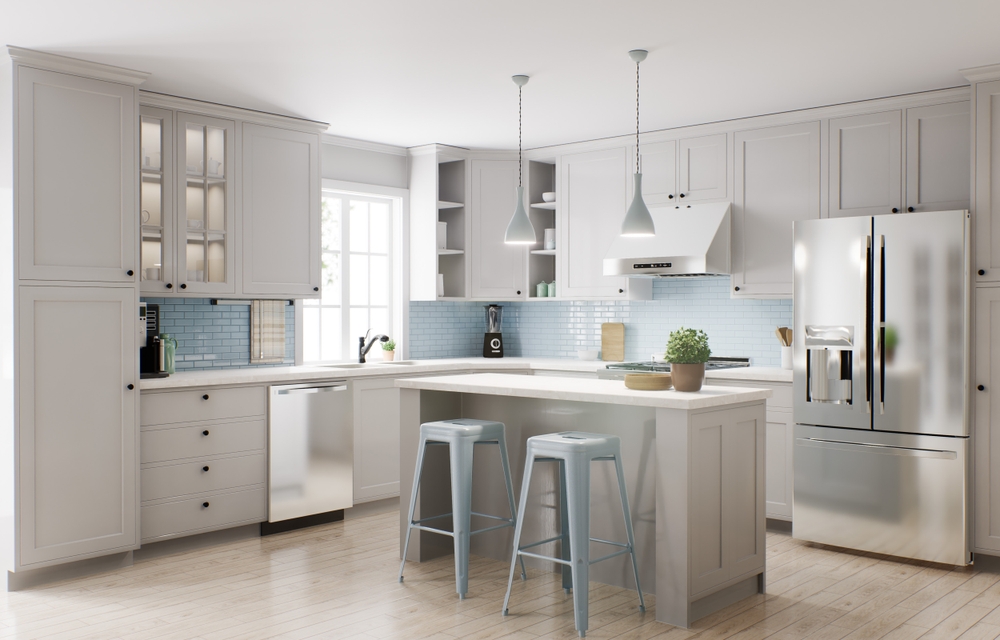
Kitchen Remodel Budget: Where to Save, Where to Spend, and What Not to Cut
Budget hesitation is one of the most common reasons homeowners delay a kitchen remodel. Not because they cannot afford the project, but because they are unsure where money actually matters and where it does not.
The risk is not overspending.
The risk is spending in the wrong places and paying for it later.
This guide breaks down how to budget a kitchen remodel intelligently, with a focus on protecting function, durability, and long-term value in Spring Hill, Brooksville, Hudson, and surrounding areas.
If you are still clarifying scope before numbers are discussed, reviewing the Remodel Services Made Easy page helps frame how different decisions affect cost before a budget is finalized.
Start with scope before numbers
Kitchen remodel budgets fail when numbers are chosen before scope is defined.
A kitchen refresh that keeps layout and utilities in place behaves very differently from a remodel that moves plumbing, walls, or major appliances. Budget planning should always begin with a clear understanding of whether the project is a layout-preserving update or a reconfiguration.
Homeowners reviewing kitchen remodel services often discover that keeping layout stable is the single most effective way to control costs without sacrificing results. This is especially true in kitchens where function already works but finishes are outdated.
If you are evaluating options locally, reviewing kitchen remodel services in Spring Hill, Brooksville, or Hudson provides examples of how different scopes affect complexity and investment.
Where you can save safely in a kitchen remodel
Not every budget decision carries equal risk. Some areas allow flexibility without compromising performance or longevity.
Finish selections are often the safest place to manage cost. Cabinet door styles, hardware choices, and countertop selections can be adjusted to meet budget targets without affecting how the kitchen functions day to day.
Flooring choices also offer flexibility when durability and installation requirements are considered together. Selecting materials that install cleanly over existing substrates can reduce labor without reducing lifespan.
These decisions are best made after layout, electrical, and plumbing needs are confirmed. Saving on finishes works when the underlying system is sound.
Seeing how finish decisions come together in completed projects can be helpful. Browsing examples on the Our Work page often clarifies which tradeoffs maintained quality without inflating cost.
Where cutting costs creates long-term problems
Some budget cuts almost always lead to regret.
Electrical upgrades are a common example. Skipping necessary electrical improvements to preserve budget often leads to future limitations, especially with modern appliances and lighting plans. Correcting electrical issues after cabinets and finishes are installed is far more expensive than addressing them upfront.
Ventilation is another area where cutting corners creates ongoing issues. Underpowered or poorly routed ventilation affects comfort, cleanliness, and long-term cabinet condition. These are not cosmetic concerns. They affect how the kitchen performs over time.
Cabinet construction quality also matters more than many homeowners expect. Cabinets are used daily and carry mechanical stress. Saving on construction quality often results in sagging, alignment issues, or premature replacement.
This is why experienced kitchen remodel planning prioritizes systems and structure before aesthetics.
Understanding material tradeoffs without guesswork
Material tradeoffs are unavoidable in most budgets. The goal is not to avoid tradeoffs, but to make them intentionally.
For example, investing in durable cabinet boxes while selecting simpler door styles often produces better outcomes than prioritizing appearance over construction quality. Similarly, choosing a countertop material that balances durability and maintenance can free budget for lighting or storage improvements that enhance daily use.
Tradeoffs should always be evaluated in context. What works in one home may not be appropriate in another, especially when layout, usage patterns, and household size differ.
This is where service-level guidance becomes valuable. Reviewing kitchen remodel services by location helps illustrate how material decisions are made in real projects rather than hypothetical designs.
Why delaying decisions usually increases cost
Delays are often framed as caution, but in remodeling they frequently increase cost.
When decisions are postponed, material lead times extend schedules, trades must be rescheduled, and temporary solutions become permanent compromises. Budget creep often follows indecision, not ambition.
A clear budget anchored to scope allows decisions to move forward confidently. It also creates a framework for evaluating alternatives without restarting the planning process.
Homeowners who commit to a defined scope early tend to experience fewer change orders and smoother project flow.
How to budget with confidence instead of fear
Confident budgeting is not about predicting every dollar. It is about understanding where flexibility exists and where it does not.
Start by defining scope, protect critical systems, make informed finish tradeoffs, and avoid false savings that create future expense. When these priorities are clear, budget decisions become far less stressful.
If you are ready to move from planning to execution, starting with the kitchen remodel service page closest to your location helps anchor discussions in real-world parameters rather than assumptions.
A smart kitchen remodel budget protects electrical, ventilation, and cabinet quality first, then manages cost through finish and material choices. Saving safely requires clarity of scope and early decision-making. Cutting the wrong corners almost always costs more later.

